Quick Answer: How Common Are Bite Changes with Oral Appliance Therapy?
Bite changes with oral appliance therapy are common enough that dentists should expect to monitor them during long-term care. The exact prevalence varies because studies define and measure “bite changes” differently, use different mandibular advancement devices, and follow patients for different lengths of time. The most consistently reported changes include reduced overjet, reduced overbite, fewer posterior occlusal contacts, altered intercuspation, and gradual changes in mandibular relationship. The clinical priority is not one universal percentage. It is baseline documentation, informed consent, routine follow-up, and early recognition of progressive occlusal change.
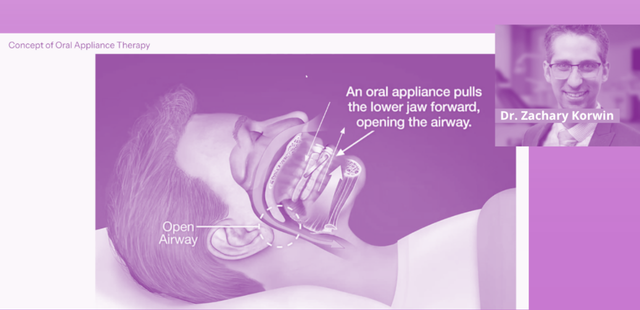
Oral appliance therapy is now firmly established as a treatment option for adult patients with obstructive sleep apnea, especially for those who cannot tolerate positive airway pressure or who prefer an oral appliance. Because mandibular advancement devices work by holding the lower jaw forward during sleep, dentists should expect to monitor how that repeated positioning may affect overjet, overbite, posterior contacts, and intercuspation over time.
In practice, treatment does not end with respiratory improvement. Dentists who provide mandibular advancement therapy also have to manage the downstream effects of long-term nightly jaw repositioning on the teeth, occlusion, masticatory system, and temporomandibular joints.
That is why bite changes remain one of the most important long-term side effect discussions in dental sleep medicine. The 2015 joint clinical practice guideline from the American Academy of Sleep Medicine and the American Academy of Dental Sleep Medicine recommends that qualified dentists provide oversight for oral appliance therapy to monitor dental-related side effects and reduce their incidence.¹
As dentistry’s role in evidence-based OSA management continues to expand, the responsibility to evaluate oral appliance side effects becomes part of competent long-term dental sleep care. A recent JADA narrative review emphasizes that qualified dentists can evaluate patients for oral appliance therapy suitability, select appropriate appliances, make adjustments, and collaborate with physicians for optimal outcomes.² That broader role makes bite-change surveillance more than a side note. It is part of the clinical responsibility that comes with providing mandibular advancement therapy.
Dentists need better context than vague phrases like “the bite could shift a little.” They need to know whether bite changes are rare or expected, whether they are usually temporary or cumulative, which patterns show up most often, and how much confidence they should have when counseling patients at the start of treatment.
There is no single prevalence number that neatly answers the question for every practice because “bite changes” is not one isolated event. It is a category that includes reductions in overjet, reductions in overbite, changes in anterior or posterior contacts, altered intercuspation, and broader shifts in occlusal relationship over time.³⁻⁸
Different studies track different outcomes, use different appliances, follow patients for different lengths of time, and measure change in different ways. A short-term study may capture morning occlusal changes and adaptation symptoms. A longer study may detect progressive dental movement and measurable occlusal change that becomes more apparent only after months or years of wear.³⁻⁸
Even with that variation, the larger conclusion is stable. Occlusal change with oral appliance therapy is real, recognized, and biologically plausible. Long-term studies repeatedly show dental and skeletal adaptations associated with mandibular advancement therapy, especially decreased overjet and decreased overbite.³⁻⁸
Dr. John Viviano states the point plainly: “The literature robustly supports the notion that OAT creates bite changes.” That quote usefully shifts the discussion away from whether bite changes happen at all. The more practical question is how often they happen, what they tend to look like, and how dentists should track them as part of responsible long-term care.
For a complete overview of how to manage bite changes during mandibular advancement therapy read Managing Bite Changes in Mandibular Advancement Therapy: A Clinical Guide for Dentists.
What Counts as a Bite Change in Mandibular Advancement Therapy?
Before discussing frequency, it helps to define the term. In mandibular advancement therapy, a bite change can refer to a range of occlusal findings, including reduced overjet, reduced overbite, altered posterior contacts, changes in intercuspation, and shifts in how the upper and lower arches relate to one another over time.³⁻⁸
Some of these changes are small and clinically quiet. Others may eventually affect comfort, chewing efficiency, restorative planning, or patient acceptance of treatment.
A critical distinction is the difference between short-term morning changes and persistent long-term occlusal change. Immediately after appliance removal, some patients notice that their bite feels different. That may reflect overnight mandibular positioning, altered muscle activity, or temporary joint and soft tissue adaptation rather than lasting tooth movement.
Those morning changes may resolve over minutes or hours. More persistent occlusal changes, by contrast, reflect cumulative response to repeated forces applied over many nights, weeks, and years.³⁻⁸
Viviano’s wording is useful here because it reflects that same distinction. He notes that the “short term side effects” of oral appliance therapy “may include altered occlusion in the morning, masticatory muscle tenderness and temporo-mandibular joint discomfort and/or stiffness,” while “long term side effects mostly revolve around bite changes.”
That framework helps dentists interpret patient complaints more accurately. Not every morning symptom signals permanent change, but persistent occlusal change is a documented long-term issue rather than a fringe occurrence.
Why Prevalence Estimates Vary Across Studies
One reason dentists struggle with this topic is that the literature does not offer one clean prevalence number. That is not because the phenomenon is uncertain. It is because the studies are asking slightly different questions.
Some evaluate patient-reported symptoms. Others measure cephalometric changes, study models, or direct occlusal findings. Some follow patients for relatively short periods, while others track them long enough to capture cumulative adaptation.³⁻⁸
Appliance design also matters. So do the degree of mandibular advancement, the patient’s baseline occlusion, periodontal support, missing teeth, restorative history, and duration of therapy.⁶⁻⁸
A shorter study may underrepresent long-term dental movement. A longer study is more likely to detect reductions in overjet, reductions in overbite, and loss of posterior contacts that become clearer with sustained use.³⁻⁸
So although prevalence estimates vary, the bigger message does not. Across long-term studies and reviews, bite changes are not rare anomalies. They are known treatment-related findings associated with chronic mandibular advancement.³⁻⁸
That is why clinicians should be cautious about anchoring too heavily on one percentage from one paper. The real value of the evidence lies in showing a consistent directional pattern.
Short-Term vs Long-Term Occlusal Changes
Short-term and long-term changes do not mean the same thing clinically.
Short-term effects are often adaptation-related. Patients may wake with a bite that feels off, with mild muscle soreness or stiffness in the temporomandibular region. Those symptoms may settle as the mandible returns toward its habitual position after appliance removal.
Long-term changes are different. These reflect repeated force application over extended periods and may present as measurable changes in tooth position and occlusal relationship. Studies following patients over time consistently report decreases in overjet and overbite, changes in posterior contacts, and other progressive occlusal findings.³⁻⁸
These changes make biomechanical sense. A mandibular advancement device is not passive. It repositions the jaw nightly and creates sustained loading patterns on the dentition and supporting structures.
This distinction matters because a clinician who focuses only on early comfort may miss the cumulative story. A patient can tolerate the device well in the first month and still show measurable occlusal change years later. That is why long-term recall surveillance carries more clinical value than early reassurance alone.¹,³⁻⁸
Learn what to check at each follow-up visit read How to Monitor Occlusal Changes During Oral Appliance Therapy: A Practical Workflow for Dentists.
Which Bite Changes Are Most Common in Practice?
The most frequently reported long-term changes in the literature are reduced overjet, reduced overbite, fewer posterior occlusal contacts, altered intercuspation, and a tendency toward a more mesial mandibular relationship.³⁻⁸
These changes are not random. They reflect the repeated forward positioning of the mandible and the chronic force environment created by therapy.
An important practical point is that patients may not notice these changes on their own. Viviano notes that “most patients are not even aware of their oral appliance-related bite change until it is pointed out to them by a dental professional.”
That observation is clinically useful because it reminds dentists that the absence of patient concern does not rule out progression. Follow-up findings often depend more on careful examination than on spontaneous complaint.
Severity varies. Some patients develop only small, stable changes that do not affect comfort or function in a meaningful way. Others experience changes that become more relevant for chewing, restorative planning, or long-term treatment satisfaction.³⁻⁸
That range is one more reason dentists need a framework for surveillance rather than a simplistic expectation that every case will behave the same way.
Are Bite Changes Normal, Expected, or Preventable?
The best answer is that bite changes are recognized and expected risks of long-term oral appliance therapy.¹,³⁻⁸ Expected does not mean universal, and it does not mean trivial. It means they belong in the informed consent discussion and in the dentist’s long-term care plan.
Can they be prevented completely? The evidence is stronger for monitoring and management than for any claim of total prevention. Viviano makes this point with a memorable line: “No appliance can cheat physics.”
That is the cleanest way to frame the issue. Appliance design may influence the pattern or magnitude of change, and good design choices matter, but the underlying biomechanics of repeated mandibular advancement cannot simply be engineered away.
That said, risk can still be managed intelligently. Case selection, baseline records, bite registration accuracy, thoughtful appliance choice, patient counseling, and regular follow-up all improve the dentist’s ability to identify and respond to change early.¹,³⁻⁸
The goal is not to promise that bite changes will never occur. The goal is to avoid being surprised when they do.
Read this to understand which patients may need closer bite-change monitoring: Which Patients Are Most at Risk for Bite Changes with Mandibular Advancement Devices?.
Why Patient Follow-Up Matters More Than a Single Prevalence Number
A single prevalence number may satisfy curiosity, but it does not guide care nearly as well as a follow-up protocol does. The joint AASM/AADSM guideline recommends that qualified dentists monitor patients for dental-related side effects and reduce their incidence.¹
That recommendation reflects the reality that oral appliance therapy is an ongoing clinical relationship, not a one-time appliance transaction.
Without regular recall, small changes may go unnoticed until they become more meaningful. With regular follow-up, the dentist can compare current findings to baseline records, assess whether changes are transient or cumulative, reinforce expectations, and intervene earlier when needed.¹,³⁻⁸
That process also improves communication. It is much easier to preserve patient trust when side effects were explained in advance and reviewed over time rather than discovered late and framed as a surprise.
Clinically, that is the real takeaway. The question is not only how common bite changes are. It is whether the dentist is actively looking for them.
Learn how to explain bite changes before treatment starts read: Informed Consent for Oral Appliance Therapy: How to Discuss Bite Changes with Patients.
What Dentists Should Say to Patients
The patient conversation should be clear, calm, and direct. Dentists do not need to overstate the risk, but they should not hide it inside vague language either.
A practical explanation may sound like this:
“Oral appliance therapy works by holding your lower jaw forward while you sleep. Because your teeth and jaw are being guided into that position night after night, your bite can change over time. Some patients notice temporary bite changes in the morning. Some develop longer-term changes in overjet, overbite, or the way the back teeth contact. We will document your bite before treatment and monitor it at follow-up visits so we can identify changes early.”
That kind of explanation does several things well. It connects the side effect to the mechanism of therapy. It distinguishes temporary morning changes from longer-term occlusal change. It also positions follow-up as part of responsible care rather than an optional add-on.
For dentists, this is also a trust-building opportunity. Patients can usually accept tradeoffs when they understand them in advance. Problems arise when a bite change feels unexpected, unexplained, or disconnected from the treatment plan.
Conclusion
Dentists naturally want a simple answer to the question of how common bite changes are with oral appliance therapy. The evidence points to a more useful conclusion.
There is no single prevalence figure that applies universally because the answer depends on what is measured, how it is measured, how long the patient has been treated, and what type of appliance and patient characteristics are involved.³⁻⁸ But that variability should not distract from the central clinical point.
Bite changes are a documented long-term side effect of mandibular advancement therapy. Studies consistently report patterns such as reduced overjet, reduced overbite, altered posterior contacts, and broader occlusal adaptation.³⁻⁸ These findings are not isolated or controversial. They are part of the established evidence base surrounding oral appliance therapy.
As Viviano says, “The literature robustly supports the notion that OAT creates bite changes.” That should not be read as an argument against treatment. Oral appliance therapy remains an important and guideline-supported option for many patients with obstructive sleep apnea.¹
What it should change is the mindset of the treating dentist. The right posture is neither alarm nor denial. It is preparedness.
Dentists should assume that at least some patients will experience measurable occlusal change over time and should build their protocols accordingly. That means clear informed consent, strong baseline records, consistent recall visits, and a willingness to discuss changes openly before they become sources of frustration or distrust.
Patients are far more likely to remain confident in care when they understand from the beginning that oral appliance therapy can involve tradeoffs and that those tradeoffs will be reviewed throughout treatment.
So, how common are bite changes with oral appliance therapy? Common enough that every dentist providing mandibular advancement therapy should expect to encounter them over the course of practice. The precise rate may differ across studies, but the professional obligation is steady: document the baseline, compare findings over time, communicate clearly, and manage with the long view in mind.
For a deeper clinical discussion, see Managing Bite Changes in Mandibular Advancement Therapy: A Clinical Guide for Dentists.
References
- Ramar K, Dort LC, Katz SG, et al. Clinical practice guideline for the treatment of obstructive sleep apnea and snoring with oral appliance therapy: an update for 2015. J Clin Sleep Med. 2015;11(7):773-827. doi:10.5664/jcsm.4858
- Glick A, Chiang HK, Huynh N, Levine M. Dentistry’s role in the evidence-based management of adult obstructive sleep apnea: a narrative review. J Am Dent Assoc. 2026. doi:10.1016/j.adaj.2025.12.020
- Doff MHJ, Finnema KJ, Hoekema A, Wijkstra PJ, de Bont LGM, Stegenga B. Long-term oral appliance therapy in obstructive sleep apnea syndrome: a controlled study on dental side effects. Clin Oral Investig. 2013;17(2):475-482. doi:10.1007/s00784-012-0717-5
- Almeida FR, Lowe AA, Otsuka R, Fastlicht S, Farbood M, Tsuiki S. Long-term sequellae of oral appliance therapy in obstructive sleep apnea patients: part 1. cephalometric analysis. Am J Orthod Dentofacial Orthop.2006;129(2):195-204. doi:10.1016/j.ajodo.2005.10.004
- Almeida FR, Lowe AA, Otsuka R, Fastlicht S, Farbood M, Tsuiki S. Long-term sequellae of oral appliance therapy in obstructive sleep apnea patients: part 2. study-model analysis. Am J Orthod Dentofacial Orthop.2006;129(2):205-213. doi:10.1016/j.ajodo.2005.10.005
- Pliska BT, Nam H, Chen H, Lowe AA, Almeida FR. Obstructive sleep apnea and mandibular advancement splint therapy: an overview of systematic reviews. J Can Dent Assoc. 2014;80:e52.
- Marklund M. Predictors of long-term orthodontic side effects from mandibular advancement devices in patients with snoring and obstructive sleep apnea. Am J Orthod Dentofacial Orthop. 2006;129(2):214-221. doi:10.1016/j.ajodo.2005.10.006
- Hoekema A, Doff MHJ, de Bont LGM, et al. Long-term oral-appliance therapy in obstructive sleep apnea: a cephalometric study of craniofacial changes. J Dent. 2007;35(9):731-738. doi:10.1016/j.jdent.2007.05.004