The Hidden Flaws of Pulse Oximetry in Dental Sleep Medicine

Dr. Hugh Cassiere

In this vital CE webinar. Dr. Hugh Cassiere, a triple board-certified physician in internal medicine, pulmonology, and critical care, uncovers an often overlooked limitation in patient monitoring: the role of skin pigmentation in pulse oximetry accuracy.

If your global dental practice relies on pulse oximeters for sleep apnea screening, appliance titration, or sedation dentistry, this presentation is essential viewing. Dr. Cassiere explains how pulse oximeters, which use light frequencies to estimate arterial oxygen saturation, are flawed when measuring oxygen in darkly pigmented individuals. Because historical device calibration curves were based on healthy, lightly pigmented subjects, the melanin in darker skin interferes with the red light spectrum (660 nm). This leads to a phenomenon known as “occult hypoxemia,” where a patient’s pulse oximeter might display a safe, normal reading (e.g., 92%-96%) while their actual arterial blood oxygen is critically low.


Key clinical concepts covered in this global webinar include:

  • The “Sleeping Giant” of Sleep Apnea Diagnosis: Discover why pulse oximeter inaccuracies could be leading to underdiagnosis and undertreatment of Obstructive Sleep Apnea (OSA) in Black, Hispanic, and Asian populations.

  • Impact on AHI and Hypoxic Burden: Learn how missed oxygen desaturations affect the calculation of the Apnea-Hypopnea Index (AHI) and the emerging metric of total hypoxic burden, potentially masking the true cardiovascular risks, such as heart failure and stroke, for your patients

  • FDA Regulations and Device Selection: Dr. Cassiere, chair of an FDA advisory panel, breaks down the slow progression of FDA guidance, why older 2013 testing standards are inadequate, and why you should never use over-the-counter pulse oximeters for clinical care due to their poor accuracy rates.

  • Clinical Takeaways for Dentists: Understand what action to take when a darkly pigmented patient continues to present with sleep apnea symptoms despite having a “normal” oximetry reading and a properly fitted oral appliance.

Watch the full video to learn how to recognize these technological limitations, improve your diagnostic vigilance, and ensure you are providing safe, effective, and equitable sleep apnea care for your diverse patient base globally.


Continue Learning with Panthera Academy

How-toSleep

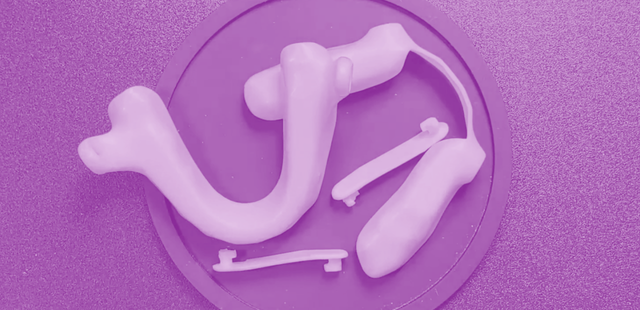
How to change the Panthera Classic rods

In this short instructional video, Panthera Sleep walks you through the correct way to adjust the titration of your Panthera Classic oral appliance. This tutorial covers each step of the rod replacement process in detail.


Get Academy content delivered straight to your inbox

By clicking on “Submit”, you agree to our Privacy Policy and to receive Panthera’s latest news and promotional emails.

NEED MORE INFORMATION?

Canada (HQ)


9105 rue John-Simons
Quebec, QC Canada,
G2B 0S6
+ 1 (418) 527-0388

USA


22343 La Palma Ave, Ste 128
Yorba Linda, CA
USA 92887
+ 1 (418) 527-0388

France


38 rue Jean Mermoz
78600 Maisons-Laffitte
France,
+ 1 (418) 527-0388

Newsletter

By clicking on “Submit”, you agree to our Privacy Policy and to receive Panthera’s latest news and promotional emails.

+ 1 (418)-527-0388      [email protected]


Newsletter


By clicking on “Submit”, you agree to our Privacy Policy and to receive Panthera’s
latest news and promotional emails.